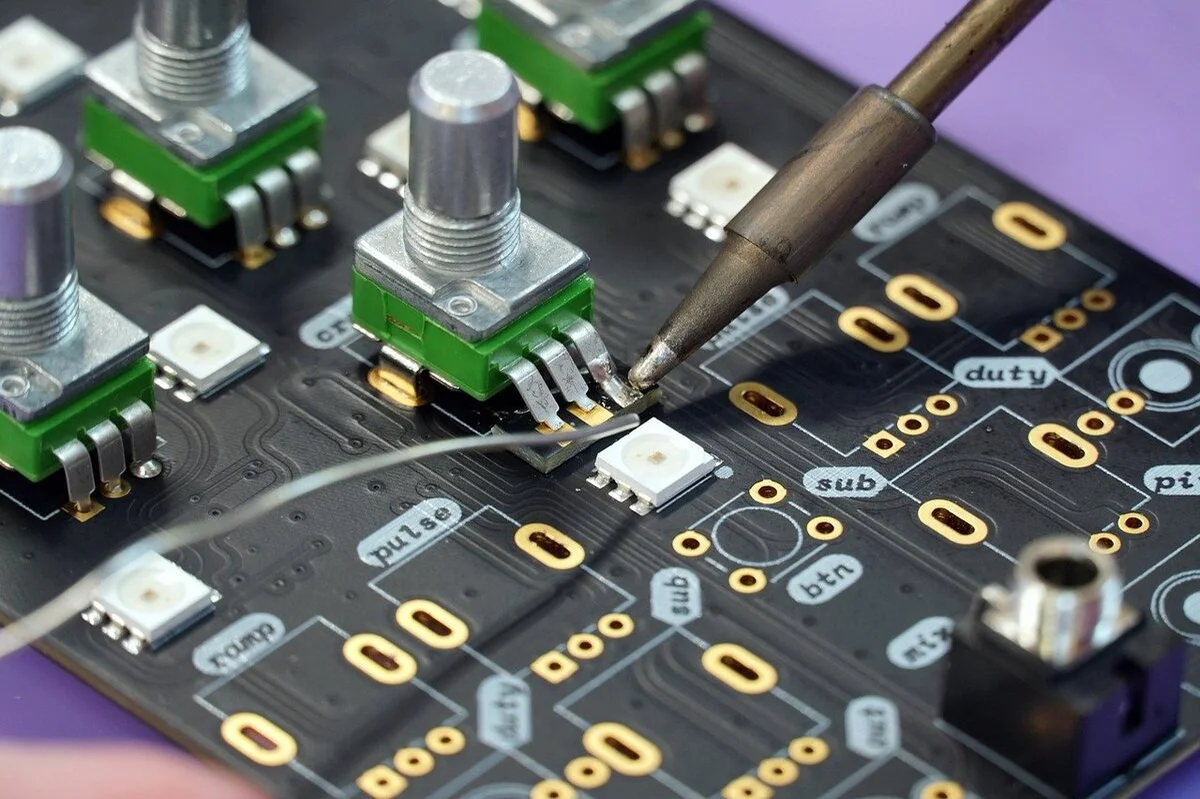
Mastering soldering and brazing techniques allows technicians to join dissimilar metals securely below base metal melting points. Understanding filler alloys and capillary action ensures leak-proof joints.
What Metals Can Be Soldered Together? Introduction to Soldering and Brazing
When technicians ask what metals can be soldered together, they are exploring thermal joining methods that use non-ferrous filler alloys without melting the parent stock. Properly executing soldering and brazing operations requires precise temperature control, correct flux selection, and clean joint preparation.
This trade theory module prepares technicians for NIMI and NCVT MIS exams. Key joining topics covered include:
- Soft Soldering: Low-temperature joining using lead-tin alloys below 450°C.
- Brazing: High-strength joining using brass or silver filler rods above 450°C.
- Capillary Action: The physics of drawing molten filler into tight joint clearances.
📌 Quick Navigation Agenda
1. Five Core Soldering and Brazing Methods Explained
Manufacturing workshops deploy specialized techniques in soldering and brazing based on joint strength and service temperature requirements:
1.1 Soft Soldering Copper, Brass, and Tinplate
Soft soldering and brazing operations use tin-lead alloys below 450°C. Metals like copper, brass, and galvanized iron can be easily soldered together using rosin fluxes.
1.2 Hard Soldering and Brazing Alloy Applications
Brazing operates above 450°C using copper-zinc or silver-copper filler rods to create high-strength structural joints.
1.2.1 Brazing Carbide Tips onto Lathe Cutting Tools
Brazing tungsten carbide tips onto steel lathe tool shanks requires high-temperature silver brazing alloys. Check tooling gear in our best lathe accessories guide.
1.3 Capillary Action and Joint Clearance Physics
Capillary action draws molten filler metal into close joint gaps. Optimal joint clearance ranges between 0.05 mm and 0.15 mm for maximum joint shear strength.
1.4 Flux Selection and Oxidation Removal Agents
Flux cleans metal surfaces by dissolving surface oxides during heating. Read our guide on joints or fastening methods.
1.4.1 Securing Threaded Fasteners with Soldered Seals
Locking threaded pipe joints with solder prevents fluid leakage under moderate pressure. Explore hardware in our best fasteners for industry post.
2. Post-Heating & Joint Stress Relief Procedures
After completing soldering and brazing, cleaning residual corrosive flux prevents joint degradation over time.
Read our comprehensive heat treatment process guide and case hardening methods for metallic assemblies.
3. Measuring Joint Shear Strength and Pressure Testing
Verifying joint integrity during soldering and brazing requires hydrostatic pressure testing and tensile shear evaluations.
3.1 Interchangeability Limits in Assembled Piping
Standardized fitting clearances ensure flawless pipe assembly. Read our guide on interchangeability in manufacturing and explore measuring tools in our best precision measuring instruments guide.
4. Thermal Joining Safety & Ventilation Rules
Breathing toxic lead solder fumes or flux vapors causes severe respiratory hazards. Always operate exhaust ventilation fans in the workshop. Review safety protocols in our occupational health and safety rules. Consult official ISO Welding Safety Standards for compliance.
5. Advanced Metallurgical Insights & Diffusion Bonding
Advanced soldering and brazing rely on liquid metal wetting and atomic diffusion across joint interfaces.
5.1 Contact Wetting Angle and Interfacial Surface Tension
Low contact wetting angles allow molten filler metal to spread evenly across solid metal surfaces.
5.1.1 Eutectic Melting Kinetics in Filler Alloys
Eutectic solder compositions melt instantly at a single fixed temperature without passing through a pasty mushy state.
5.1.1.1 Micro-Structured Intermetallic Layer Growth Analysis
Analyzing microscopic intermetallic bond layers confirms optimal metallurgical adhesion between filler and base metals.
Soldering and Brazing Selection Matrix (Real Data)
Pros and Cons of Soldering vs Brazing Joints
Compare technical benefits and limits of soft soldering versus hard brazing:
Common Soldering and Brazing Errors & Solutions
Avoid these widespread shop floor errors during soldering and brazing operations:
1. Cold Solder Joint: Failing to heat parent metals sufficiently causes dull, grainy joint structures with poor electrical conductivity. Solution: Ensure the joint reaches solder liquidus temperature.
Workshop Math: Capillary Joint Clearance Calculations
Calculating capillary joint clearances is tested in ITI Workshop Calculation exams. Access practice problems in our workshop calculation hub.
🧮 Practical Capillary Joint Clearance Calculation Example:
Sleeve Inner Diameter = 25.100 mm Inserted Pipe Outer Diameter = 25.020 mm
Diametral Clearance = 25.100 – 25.020 = 0.080 mm Radial Gap = 0.040 mm (Ideal Capillary Draw Range)
Shop Floor Joining Defect Diagnostics Table
International ISO 3677 Filler Metal Standards
Filler metal alloys used in soldering and brazing comply with global ISO 3677 standards. Specifications align with published research from the International Organization for Standardization (ISO).
Refrigeration Copper Tubing Brazing Overhaul
A commercial HVAC manufacturing plant experienced refrigerant leaks on copper pipe joints. Implementing strict nitrogen purge brazing and maintaining 0.08 mm capillary clearances eliminated joint oxidation and achieved 100% pressure test compliance.
Frequently Asked Questions (6 Technical Exam Qs)
1. What metals can be soldered together using soft solder?
Metals like copper, brass, bronze, and tinplate can be soldered together effectively using tin-lead soft solders.
2. What temperature separates soldering from brazing?
The threshold temperature is 450°C; processes below 450°C are soldering, while those above are brazing.
Have questions about what metals can be soldered together or calculating capillary joint clearances? Share your queries in the comments below!