What is the Precise Fire Definition and Meaning in Engineering?
A fire is defined as a rapid, self-sustaining chemical oxidation reaction (combustion) that releases thermal energy, light, and various combustion gases. In industrial workshops and ITI safety syllabi, understanding fire definition and meaning is critical for preventing hazards and deploying correct extinguishers.
Fire Definition and Meaning: Complete Workshop Safety & Classification Guide
Safety officers and ITI trainees must master the core principles underlying fire definition and meaning to maintain hazard-free machine shops and prevent catastrophic property damage.
Controlling combustion requires a thorough understanding of the fire triangle components (Fuel, Heat, and Oxygen) and chemical chain reactions.
This trade safety module is prepared for NCVT MIS and ITI trainees. Core topics covered in this guide include:
- The Fire Triangle: The three essential elements required to ignite and sustain any fire.
- Classes of Fires: Detailed breakdown of Class A, B, C, and D fires and their respective risks.
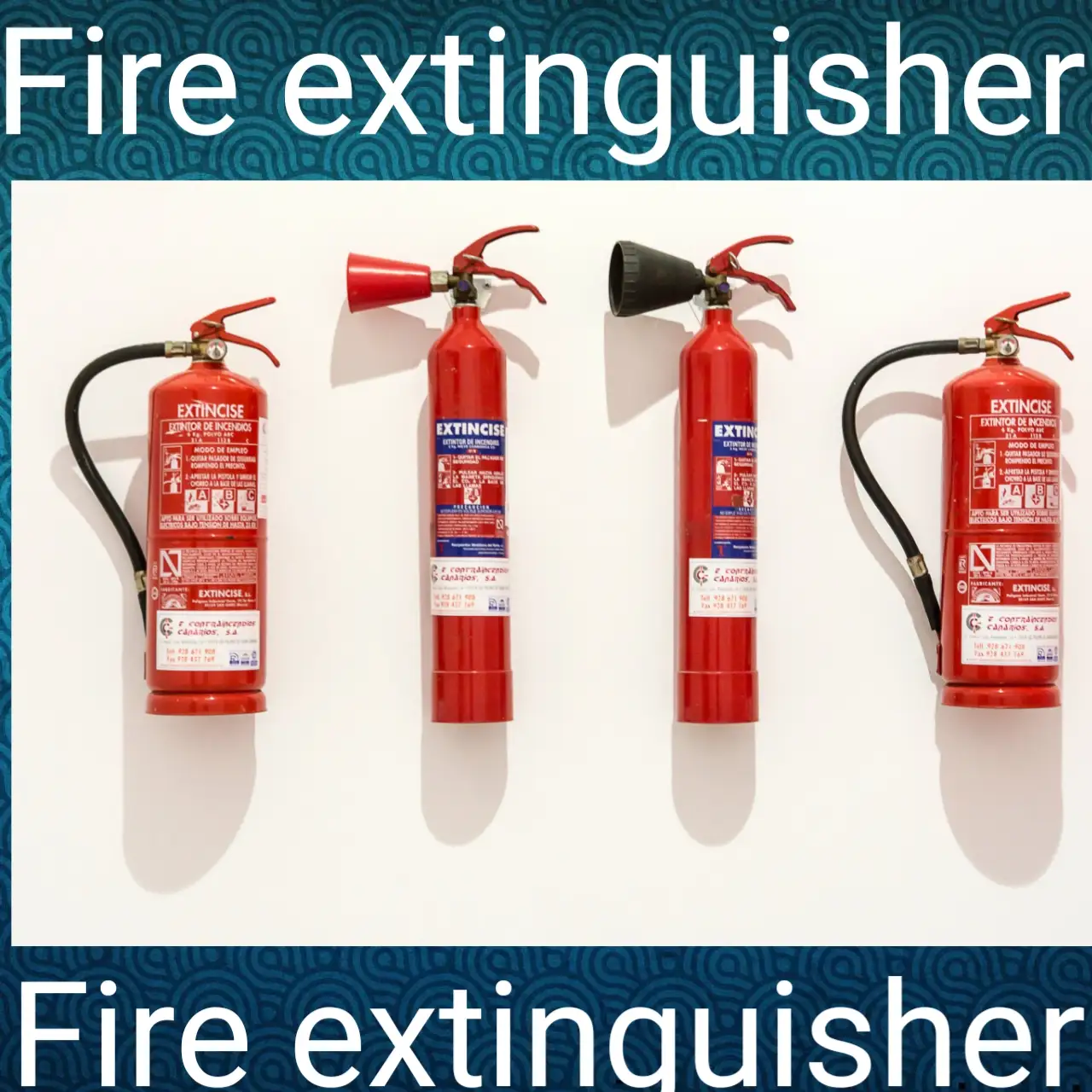
- Extinguishing Agents: Selecting water, foam, CO2, or dry powder extinguishers correctly.
📌 Quick Navigation Agenda
1. The Fire Triangle and Combustion Science Explained
When analyzing fire definition and meaning, technicians study the fundamental interaction of fire triangle components that sustain combustion:
1.1 Fuel, Heat, and Oxygen: The Three Pillars of Fire
A fire cannot ignite or persist unless fuel (combustible material), heat (ignition temperature), and oxygen (oxidizing agent) are present simultaneously.
1.2 The Fire Tetrahedron and Chemical Chain Reactions
Advanced fire science expands the triangle into a tetrahedron by adding an uninhibited chemical chain reaction, which is interrupted by dry chemical extinguishers.
1.2.1 Preventing Oil and Chip Fires on Lathe Machines
Accumulated cutting oils and metal chips around machine tools create severe fire hazards. Check tooling gear in our best lathe accessories guide.
1.3 Four Main Classes of Fires (A, B, C, D)
Understanding classes of fire and extinguishers ensures that operators deploy the correct suppression agent for solid, liquid, gas, or metal fires. Read our guide on joints or fastening methods.
1.4 Electrical and Combustible Metal Fire Hazards
Live electrical equipment and reactive metals like magnesium require specialized non-conductive and dry powder suppression techniques.
1.4.1 Securing Emergency Fire Cabinets and Safety Equipment
Mounting emergency fire extinguishers securely requires heavy-duty wall brackets and hardware. Explore hardware in our best fasteners for industry post.
2. Post-Ignition Extinguisher Selection & Operation Protocol
Applying the PASS method (Pull, Aim, Squeeze, Sweep) ensures effective operation of workshop fire extinguishers during an emergency.
Read our comprehensive heat treatment process guide and case hardening methods for safety equipment components.
3. Measuring Flashpoint and Ignition Temperatures of Solvents
Safety engineers measure solvent flashpoints to determine safe storage limits in industrial machine shops.
3.1 Global Interchangeability in Fire Safety Signage (ISO 7010)
Standardized safety symbols ensure universal hazard recognition across international facilities. Read our guide on interchangeability in manufacturing and explore safety tools in our best precision measuring instruments guide.
4. Workshop Fire Safety Regulations & Evacuation Protocols
Adhering to strict workshop fire safety rules prevents accidental ignition and ensures rapid personnel evacuation during emergencies. Review safety protocols in our occupational health and safety rules. Consult official ISO Fire Safety Standards for compliance.
5. Advanced Fire Suppression Insights & Clean Agent Systems
Modern facilities utilize advanced gaseous clean agent suppression systems to extinguish electrical fires without damaging delicate machinery.
5.1 Gaseous Clean Agents for Electrical Server Rooms
Inert gas flooding systems displace oxygen levels slightly below 15% to suffocate fires instantly without leaving chemical residue.
5.1.1 Glass Bulb Thermal Sprinkler Head Activation Mechanics
Quartzoid glass bulbs containing heat-sensitive liquid shatter at specific temperature thresholds to trigger overhead sprinkler valves.
5.1.1.1 Microscopic Free Radical Inhibition in Halon Alternatives
Chemical clean agents interrupt combustion by chemically scavenging reactive free radicals in the flame zone.
Classes of Fire and Extinguishers Selection Matrix (Real Data)
Pros and Cons of Water vs CO2 Extinguishing Agents
Compare technical benefits and limits of water extinguishers versus carbon dioxide agents:
Common Workshop Fire Safety Errors & Technical Solutions
Avoid these widespread workshop errors regarding fire prevention and suppression:
1. Using Water on Electrical Fires: Pouring water on live electrical equipment causes severe electrocution risks. Solution: Always deploy CO2 or dry powder extinguishers on electrical fires.
Workshop Math: Flammable Limits and Air-Fuel Ratio Formulas
Calculating lower and upper explosive limits of flammable vapors is tested in ITI Safety exams. Access practice problems in our workshop calculation hub.
🧮 Practical Air-Fuel Ratio Flammability Example:
Stoichiometric Air-Fuel Ratio for Propane = 15.6 : 1 by weight
Lower Flammability Limit (LFL) in Air = 2.1% by volume
Vapor Concentration Management = Maintained strictly below 25% of LFL for industrial safety compliance.
Shop Floor Fire Extinguisher Inspection Diagnostics Table
International ISO 7010 Safety Signage and Fire Standards
Workshop safety signs comply with global ISO 7010 graphical hazard symbols. Standards align with published research from the International Organization for Standardization (ISO).
Machine Shop Solvent Storage Fire Prevention Overhaul
A heavy automotive workshop experienced a minor solvent flash fire due to improper rag disposal. Upgrading to FM-approved self-closing safety cans, enforcing strict oily rag disposal bins, and installing multi-class powder extinguishers eliminated fire risks and achieved OSHA compliance.
Frequently Asked Questions
1. What is the exact fire definition and meaning in engineering safety?
Fire is defined as a rapid, exothermic chemical oxidation reaction between a fuel and an oxidizer that releases heat, light, and combustion gases.
2. What are the essential components of the fire triangle?
The three essential components of the fire triangle are fuel, heat, and oxygen.
3. What type of fire extinguisher is used for Class B flammable liquid fires?
Carbon dioxide (CO2), foam, or dry powder extinguishers are used to suppress Class B flammable liquid fires.
4. Why should water never be used on electrical fires?
Water is an electrical conductor, meaning it can travel through live circuits and cause fatal electrocution to the operator.
5. What does the PASS acronym stand for in fire extinguisher operation?
PASS stands for Pull the pin, Aim at the base of the fire, Squeeze the handle, and Sweep side to side.
6. Which class of fire involves combustible metals like magnesium?
Class D fires involve combustible reactive metals such as magnesium, titanium, sodium, and potassium.
Have questions about fire definition and meaning or workshop fire safety rules? Share your queries in the comments below!