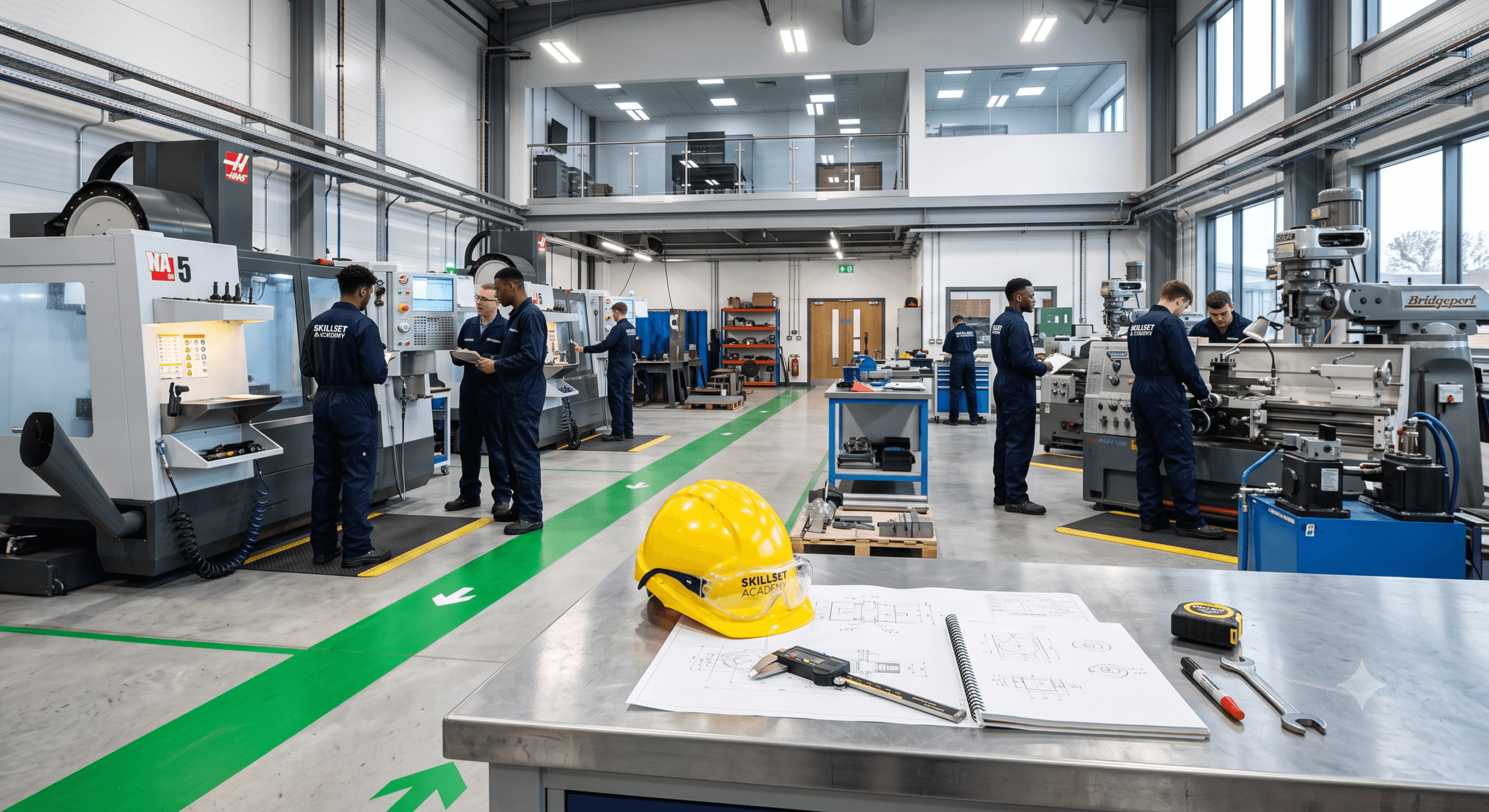
Maintaining strict occupational health and safety standards in the workshop prevents serious industrial injuries and equipment damage. Technicians handle heavy machinery, cutting tools, high-voltage systems, and chemical solvents daily.
Following clear safety rules builds a safe working culture across industrial facilities. Below, Info-ITI provides a practical guide on workshop hazard controls, protective gear, and emergency response steps.
1. What is Occupational Health and Safety in the Workshop?
Occupational health and safety focuses on protecting workers from injuries and environmental health risks. In technical workshops, operators work near sharp cutting tools and rotating gears. Understanding core safety guidelines creates a secure, productive shopfloor environment.
Proactive safety rules reduce hospital injury costs and protect expensive industrial tools. For proper layout precision before starting machine operations, review our combination set parts and uses guide.
2. Common Workshop Hazards & Prevention Controls
Recognizing potential shopfloor hazards helps workers prevent unexpected industrial accidents during daily tasks:
Mechanical Hazards in Fitting & Machine Shops
Rotating lathe chucks and grinding wheels pose crushing or entanglement risks. Operators must never wear loose clothing or wristwatches near spinning shafts. Always lock machine safety guards before pressing the power button.
Electrical Hazards & LOTO Lockout Protocols
Damaged power cords and wet shop floors cause severe electric shocks. Technicians must apply Lock-Out/Tag-Out padlocks when servicing electrical panels or motor drives.
Chemical & Fume Exposure Controls
Solvents, cutting oils, and welding fumes irritate lungs and skin. Machine shops must operate exhaust ventilation hoods and store flammable liquids in designated metal cabinets.
3. Essential Personal Protective Equipment (PPE) Matrix
Personal protective gear acts as the final barrier against physical shopfloor injuries. The table below lists required protective gear for daily shop tasks:
| Body Protection Area | Required PPE Gear | Primary Hazard Guarded Against |
|---|---|---|
| Eye & Face | Safety Goggles / Face Shield | Flying metal chips, chemical splashes, grinding sparks |
| Foot Protection | Steel-Toe Safety Boots | Falling heavy blocks, sharp floor debris |
| Hand Protection | Leather / Cut-Resistant Gloves | Sharp sheet edges, hot welded plates, acid burns |
| Hearing Protection | Earplugs / Noise Ear Muffs | Loud noise from presses and air blowers |
| Respiratory | Dust Mask / Respirator | Airborne metal dust, paint vapors, toxic fumes |
4. Workshop Safety Signs & Color Coding Rules
Safety signs use standardized shapes and colors to communicate urgent hazard warnings across workshop floors:
1. Mandatory Signs (Blue Circle): Shows compulsory actions like wearing safety goggles.
2. Prohibition Signs (Red Circle with Slash): Shows forbidden actions like open flames.
3. Warning Signs (Yellow Triangle): Indicates danger points like electric shock risks.
4. Information Signs (Green Square): Marks first aid boxes and emergency escape doors.
When preparing metal plates for layout marking, learn safe tool selection in our marking punch tools breakdown.
5. Fire Safety Classes & Extinguisher Selection
Using the wrong fire extinguisher can spread workshop fires rapidly. Always select extinguishers based on fuel material classes:
1. Class A (Wood, Paper, Trash): Use Water or Foam fire extinguishers.
2. Class B (Flammable Liquids & Oils): Use Foam, Dry Powder, or CO2 extinguishers.
3. Class C (Flammable Gases): Use Dry Powder fire extinguishers.
4. Class D (Combustible Metals): Use Special Dry Powder extinguishers.
5. Electrical Fires (Live Equipment): Use Carbon Dioxide (CO2) or Halon extinguishers.
6. Step-by-Step Emergency Response Workflow
Technicians must react quickly and stay calm when a workshop accident occurs on the floor:
1. Press Emergency Stop: Shut down machine power immediately during an accident.
2. Raise the Alarm: Shout for help and activate the nearest fire alarm switch.
3. Provide First Aid: Treat minor cuts or rinse eyes at eyewash stations.
4. Evacuate Safely: Walk along marked green lines to the designated assembly area.
🚀 Master Workshop Safety & Theory Notes
Explore trade theory lessons, workshop calculation guides, and public job alerts with our expert resources:
7. Workshop Housekeeping Checklist (5S System)
Maintaining a clean shopfloor is fundamental to occupational health and safety. Applying the 5S system prevents trip hazards and keeps tools organized:
1. Sort: Clear unnecessary scrap metal and worn parts from working spaces.
2. Set in Order: Keep spanners, calipers, and hammers in designated tool boards.
3. Shine: Sweep metal swarf and clean oil spills immediately to stop slips.
4. Standardize: Follow daily cleaning schedules before leaving the shop floor.
5. Sustain: Practice good safety habits continuously without needing reminders.
For additional guidance on maintaining rotating shaft components safely, read our industrial machinery bearings guide.
8. Questions & Workshop Discussion
Have a question about choosing the right PPE or identifying fire extinguisher types for your trade exam? Drop your thoughts in the comment section below! Our technical team is always here to help you clear your doubts.
9. Frequently Asked Questions (FAQs)
What is the main goal of occupational health and safety in the workshop?
The main goal is to protect workers from accidents, injuries, electrical shocks, and health hazards while maintaining a safe work environment.
What personal protective equipment is required in a machine shop?
Safety goggles, steel-toe boots, earplugs, and cut-resistant gloves are essential depending on specific machinery tasks.
Which fire extinguisher is used for electrical fires?
Carbon Dioxide (CO2) or Halon fire extinguishers are used safely for live electrical equipment fires.
What does LOTO stand for in industrial safety?
LOTO stands for Lock-Out/Tag-Out, a safety procedure used to isolate power sources during machine repair.
Why is loose clothing prohibited near rotating lathe machines?
Loose clothing can get caught in rotating chucks or spindles, causing severe entanglement injuries.
What shape and color indicate a warning safety sign?
Yellow triangular signs with black borders indicate warning notices on the shopfloor.
10. Final Conclusion
Strictly following occupational health and safety rules prevents injuries and maintains a productive workshop environment. Using proper PPE, recognizing safety signs, and practicing 5S housekeeping protects technicians daily. Safe working habits form the foundation for a successful engineering career.
For more technical trade theory notes and public sector job alerts, visit the Info-ITI Homepage!